Buy 752.eu ?
We are moving the project
752.eu .
Are you interested in purchasing the domain
752.eu ?
domain@kv-gmbh.de · 0541-91531010
Buy 752.eu ?
What is the difference between forensics and criminalistics?
Forensics is the application of scientific methods and techniques to solve crimes and legal issues, while criminalistics is a branch of forensic science that focuses specifically on the analysis of physical evidence in criminal investigations. Forensics encompasses a broader range of disciplines, including DNA analysis, toxicology, and crime scene investigation, while criminalistics is more narrowly focused on the collection, preservation, and analysis of physical evidence such as fingerprints, ballistics, and trace evidence. In summary, forensics is the overarching field that includes criminalistics as a specialized area of study within it. **
How can I do an internship in forensics?
To do an internship in forensics, you can start by researching and reaching out to organizations or agencies that offer internships in the field of forensics, such as law enforcement agencies, crime labs, or forensic science research institutions. You can also check with your college or university's career services office for internship opportunities in forensics. Networking with professionals in the field and attending career fairs or industry events can also help you find internship opportunities. Additionally, gaining relevant coursework or experience in forensic science, criminal justice, or related fields can make you a more competitive candidate for forensics internships. **


Similar search terms for Forensics
Top-Angebote
Products related to Forensics:
-
SACHS 311 752 Shock absorberShock Absorber Design: Telescopic Shock Absorber; Parameter: SEXOV32/15X152A; Shock Absorber System: Twin-Tube; Shock Absorber Type: Gas Pressure; Shock Absorber Mounting Type: Bottom eye, Top pin; reinforced version: ; Fitting Position: Rear Axle; Suspension: for vehicles with standard suspension121,98 £*Shipping: 8,45 £Secure redirect to the provider
-
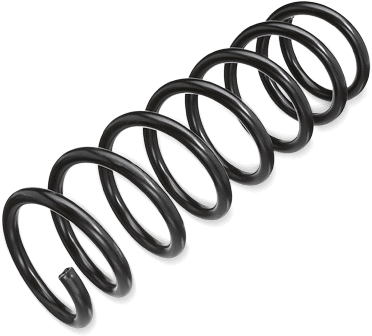
SACHS 993 752 Coil springLength [mm]: 322; Outer Diameter [mm]: 133; Diameter: 12; Fitting Position: Front Axle; Suspension: for vehicles with sports suspension; Transmission Type: Manual Transmission, Automatic Transmission, Manual Transmission, automatically operated; Vehicle Equipment: for vehicles with air conditioning, for vehicles without air conditioning; Construction Year to: 07/2009; Construction Year from: 08/2007138,98 £*Shipping: 8,45 £Secure redirect to the provider
-
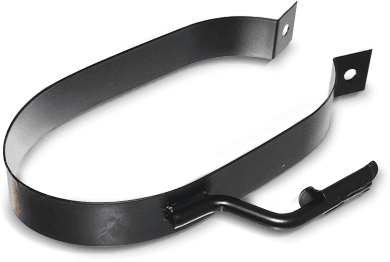
FA1 103-752 Exhaust hangerMaterial: Elastomer, EPDM (ethylene propylene diene Monomer (M-class) rubber); Paired product: 103-952; TecDoc Engine Number: 30401, 29233, 24405, 26347, 29653, 32534; Exhaust System: for rear muffler, for catalytic converter; Required quantity: 2, 1, 3, 4; Construction Year from: 03/2018; Fitting Position: Centre, Rear Muffler7,29 £*Shipping: 8,45 £Secure redirect to the provider
-
SACHS 996 752 Coil springOuter Diameter [mm]: 119; Length [mm]: 363; Diameter: 12,5; Fitting Position: Rear Axle; Vehicle Equipment: for vehicles without level control, for vehicles without trailer hitch, for vehicles with trailer hitch; Suspension: for vehicles with standard suspension; Vehicle Equipment Line/Trim Level: Ghia, LX, Ambiente95,98 £*Shipping: 8,45 £Secure redirect to the provider


-
What level of education is required for Forensics?
To work in the field of forensics, a minimum of a bachelor's degree in a relevant field such as forensic science, biology, chemistry, or criminal justice is typically required. However, many positions in forensics may require a master's degree or even a Ph.D., especially for more specialized roles or for advancement in the field. Additionally, gaining practical experience through internships or on-the-job training is also important for a career in forensics. **
-
Where can I apply for an internship in forensics?
You can apply for internships in forensics at various places such as government agencies like the Federal Bureau of Investigation (FBI), local law enforcement agencies, forensic laboratories, and private forensic consulting firms. Additionally, many universities and research institutions offer internships in forensic science and related fields. It's important to research and reach out to specific organizations or institutions that align with your interests and career goals in forensics. Networking with professionals in the field and utilizing online job boards and internship databases can also help you find opportunities. **
-
How can one transition from a biomedical analyst to forensics?
To transition from a biomedical analyst to forensics, one could consider pursuing additional education or training in forensic science or a related field. This could involve obtaining a certification or a master's degree in forensic science. It may also be beneficial to gain experience through internships or volunteer opportunities in forensic labs or with law enforcement agencies. Networking with professionals in the field of forensics and attending relevant conferences or workshops can also help in making the transition. **
-
What is the course of study for Natural Science Forensics?
The course of study for Natural Science Forensics typically includes a combination of biology, chemistry, physics, and forensic science courses. Students will learn about the scientific methods used in crime scene investigation, evidence collection and analysis, and how to apply these techniques in real-world scenarios. They may also study topics such as DNA analysis, toxicology, ballistics, and forensic anthropology. Hands-on laboratory work and internships are often a key component of the program to provide practical experience in the field. **

How can I study biology and then go into forensics?
To study biology and then go into forensics, you can start by pursuing a degree in biology or a related field such as forensic science. It is important to take courses in biology, chemistry, and other relevant sciences to build a strong foundation. You can then specialize in forensic biology or forensic science through additional coursework or a graduate program. Gaining practical experience through internships or research opportunities in forensic labs can also be beneficial in preparing for a career in forensics. **
How does the detection of blood in forensics work through reduced phenolphthalein?
The detection of blood in forensics through reduced phenolphthalein involves a chemical reaction that occurs when blood comes into contact with the phenolphthalein reagent. Hemoglobin in blood acts as a reducing agent, causing the phenolphthalein to change color from colorless to pink or red. This color change is a positive indication of the presence of blood at a crime scene. This method is commonly used in forensic investigations to identify blood stains that may not be visible to the naked eye. **
Top-Angebote
Products related to Forensics:
-
Ring Battery Video Doorbell Pro – Advanced Home Security & Connectivity, NewUpgrade your home security with the Ring Battery Video Doorbell Pro – Wireless Video Doorbell Security Camera . Designed to give you peace of mind, it delivers a head-to-toe 1536p HD view so you can see every detail clearly, from visitors to parcels at your doorstep. With advanced 3D Motion Detection and Bird’s Eye View , you’ll always know what’s happening around your home. The built-in colour night vision ensures crisp images even in the dark, while the wire-free battery design makes installation simple and flexible. Stay connected anywhere with instant notifications, two-way talk, and full integration with the Ring app, Alexa devices, and more. ✔️ Wireless video doorbell – Easy to install with a rechargeable battery, no wiring needed ✔️ 1536p HD head-to-toe view – See visitors and packages clearly in high definition ✔️ 3D Motion Detection & Bird’s Eye View – Advanced alerts and aerial perspective for extra security ✔️ Colour night vision – Crystal-clear video even in low light or darkness ✔️ Two-way talk with noise cancellation – Hear and speak to visitors in real time ✔️ Customisable motion zones – Focus on the areas that matter most ✔️ Smart alerts & notifications – Instant updates on your phone via the Ring app ✔️ Alexa compatible – Works seamlessly with Echo devices for hands-free monitoring ✔️ Quick-release battery pack – Easy to recharge and swap for uninterrupted security ✔️ Durable design – Built to withstand outdoor weather conditions The Ring Battery Video Doorbell Pro combines advanced motion detection, high-definition video, and smart home integration in one sleek device. Perfect for enhancing your home security, it ensures you never miss a visitor or delivery, day or night.174,49 £*Shipping: 0,00 £Secure redirect to the provider
-
SACHS 311 752 Shock absorberShock Absorber Design: Telescopic Shock Absorber; Parameter: SEXOV32/15X152A; Shock Absorber System: Twin-Tube; Shock Absorber Type: Gas Pressure; Shock Absorber Mounting Type: Bottom eye, Top pin; reinforced version: ; Fitting Position: Rear Axle; Suspension: for vehicles with standard suspension121,98 £*Shipping: 8,45 £Secure redirect to the provider
-
SACHS 993 752 Coil springLength [mm]: 322; Outer Diameter [mm]: 133; Diameter: 12; Fitting Position: Front Axle; Suspension: for vehicles with sports suspension; Transmission Type: Manual Transmission, Automatic Transmission, Manual Transmission, automatically operated; Vehicle Equipment: for vehicles with air conditioning, for vehicles without air conditioning; Construction Year to: 07/2009; Construction Year from: 08/2007138,98 £*Shipping: 8,45 £Secure redirect to the provider
-
What is the difference between forensics and criminalistics?
Forensics is the application of scientific methods and techniques to solve crimes and legal issues, while criminalistics is a branch of forensic science that focuses specifically on the analysis of physical evidence in criminal investigations. Forensics encompasses a broader range of disciplines, including DNA analysis, toxicology, and crime scene investigation, while criminalistics is more narrowly focused on the collection, preservation, and analysis of physical evidence such as fingerprints, ballistics, and trace evidence. In summary, forensics is the overarching field that includes criminalistics as a specialized area of study within it. **
-
How can I do an internship in forensics?
To do an internship in forensics, you can start by researching and reaching out to organizations or agencies that offer internships in the field of forensics, such as law enforcement agencies, crime labs, or forensic science research institutions. You can also check with your college or university's career services office for internship opportunities in forensics. Networking with professionals in the field and attending career fairs or industry events can also help you find internship opportunities. Additionally, gaining relevant coursework or experience in forensic science, criminal justice, or related fields can make you a more competitive candidate for forensics internships. **
-
What level of education is required for Forensics?
To work in the field of forensics, a minimum of a bachelor's degree in a relevant field such as forensic science, biology, chemistry, or criminal justice is typically required. However, many positions in forensics may require a master's degree or even a Ph.D., especially for more specialized roles or for advancement in the field. Additionally, gaining practical experience through internships or on-the-job training is also important for a career in forensics. **
-
Where can I apply for an internship in forensics?
You can apply for internships in forensics at various places such as government agencies like the Federal Bureau of Investigation (FBI), local law enforcement agencies, forensic laboratories, and private forensic consulting firms. Additionally, many universities and research institutions offer internships in forensic science and related fields. It's important to research and reach out to specific organizations or institutions that align with your interests and career goals in forensics. Networking with professionals in the field and utilizing online job boards and internship databases can also help you find opportunities. **
Similar search terms for Forensics
-
FA1 103-752 Exhaust hangerMaterial: Elastomer, EPDM (ethylene propylene diene Monomer (M-class) rubber); Paired product: 103-952; TecDoc Engine Number: 30401, 29233, 24405, 26347, 29653, 32534; Exhaust System: for rear muffler, for catalytic converter; Required quantity: 2, 1, 3, 4; Construction Year from: 03/2018; Fitting Position: Centre, Rear Muffler7,29 £*Shipping: 8,45 £Secure redirect to the provider
-
SACHS 996 752 Coil springOuter Diameter [mm]: 119; Length [mm]: 363; Diameter: 12,5; Fitting Position: Rear Axle; Vehicle Equipment: for vehicles without level control, for vehicles without trailer hitch, for vehicles with trailer hitch; Suspension: for vehicles with standard suspension; Vehicle Equipment Line/Trim Level: Ghia, LX, Ambiente95,98 £*Shipping: 8,45 £Secure redirect to the provider
-
TOPRAN 109 752 ABS sensorFitting Position: Front Axle Left; Number of pins: 2; Supplementary Article / Supplementary Info Info 2: without cable; Length [mm]: 69; Braking/Driving Dynamics: for vehicles with ABS; Paired product: 109 753; TecDoc Engine Number: 4989, 4979, 4963, 4975, 4982, 15611, 12848, 9451, 9450, 4988, 15496; Construction Year from: 10/1993, 09/19997,59 £*Shipping: 8,45 £Secure redirect to the provider
-
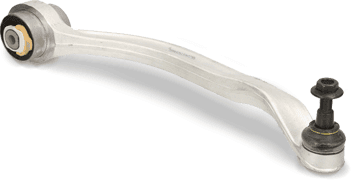
TOPRAN 629 752 Suspension armControl/Trailing Arm Type: Control Arm; Fitting Position: Front Axle Left; Material: Sheet Steel; Paired product: 629 751; Control/Trailing Arm Design: Triangular Control Arm; Supplementary Article / Supplementary Info Info 2: with ball joint, with rubber mount, with nut; Bolt/Nut Version: Castellated Nut and Split Pin; Surface: painted black, Cathodic Painting; Vehicle Production Country: France, Japan70,99 £*Shipping: 8,45 £Secure redirect to the provider
-
How can one transition from a biomedical analyst to forensics?
To transition from a biomedical analyst to forensics, one could consider pursuing additional education or training in forensic science or a related field. This could involve obtaining a certification or a master's degree in forensic science. It may also be beneficial to gain experience through internships or volunteer opportunities in forensic labs or with law enforcement agencies. Networking with professionals in the field of forensics and attending relevant conferences or workshops can also help in making the transition. **
-
What is the course of study for Natural Science Forensics?
The course of study for Natural Science Forensics typically includes a combination of biology, chemistry, physics, and forensic science courses. Students will learn about the scientific methods used in crime scene investigation, evidence collection and analysis, and how to apply these techniques in real-world scenarios. They may also study topics such as DNA analysis, toxicology, ballistics, and forensic anthropology. Hands-on laboratory work and internships are often a key component of the program to provide practical experience in the field. **
-
How can I study biology and then go into forensics?
To study biology and then go into forensics, you can start by pursuing a degree in biology or a related field such as forensic science. It is important to take courses in biology, chemistry, and other relevant sciences to build a strong foundation. You can then specialize in forensic biology or forensic science through additional coursework or a graduate program. Gaining practical experience through internships or research opportunities in forensic labs can also be beneficial in preparing for a career in forensics. **
-
How does the detection of blood in forensics work through reduced phenolphthalein?
The detection of blood in forensics through reduced phenolphthalein involves a chemical reaction that occurs when blood comes into contact with the phenolphthalein reagent. Hemoglobin in blood acts as a reducing agent, causing the phenolphthalein to change color from colorless to pink or red. This color change is a positive indication of the presence of blood at a crime scene. This method is commonly used in forensic investigations to identify blood stains that may not be visible to the naked eye. **
* All prices are inclusive of VAT and, if applicable, plus shipping costs. The offer information is based on the details provided by the respective shop and is updated through automated processes. Real-time updates do not occur, so deviations can occur in individual cases. ** Note: Parts of this content were created by AI.